
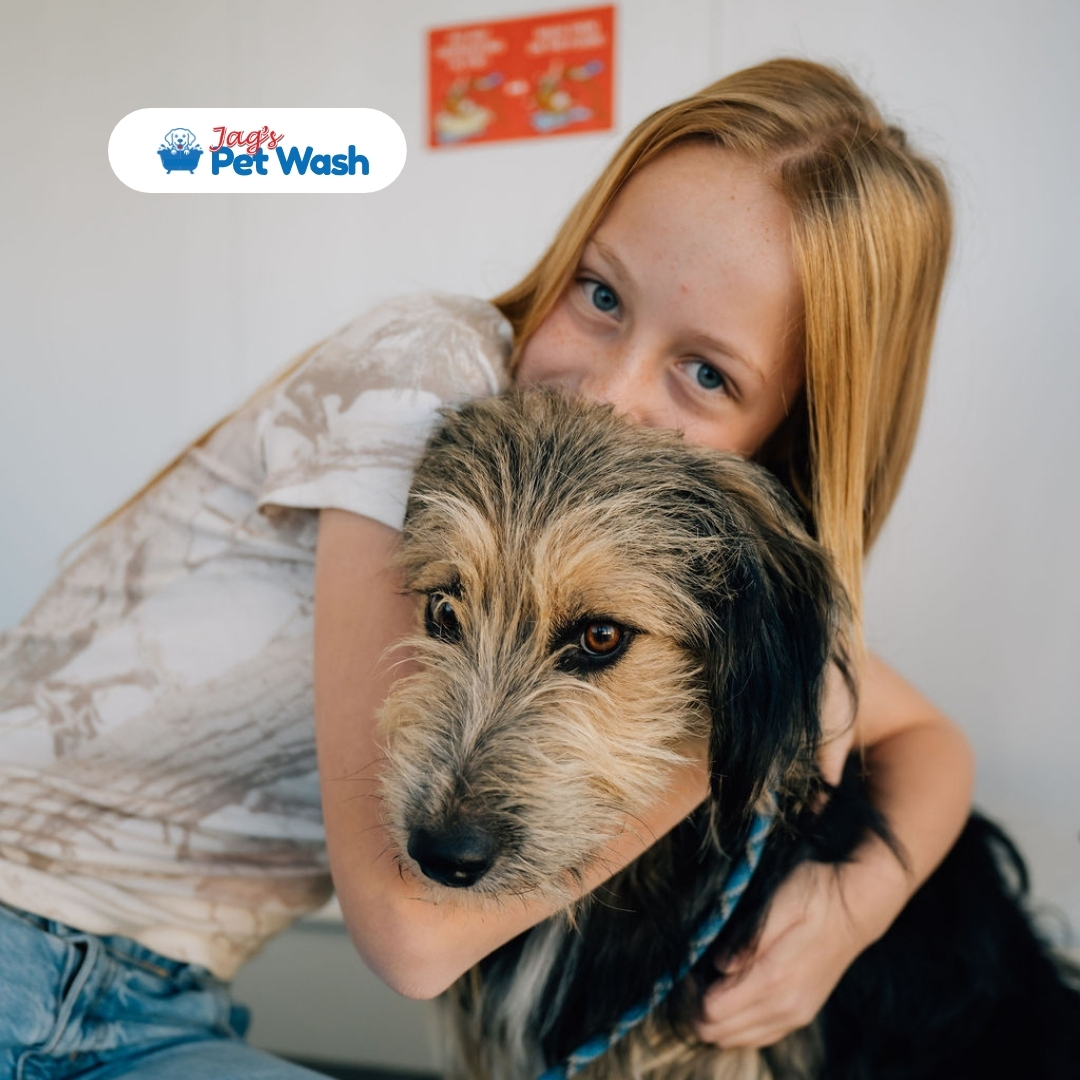
Reactive Dogs and Bath Time Stress | Why It Happens & How to Help
Why Bath Time Can Be Challenging for Reactive Dogs (and What Actually Helps)
For many dog owners, bath time isn’t just messy—it can be stressful. This is especially true for dogs that are reactive, anxious, or easily overstimulated.
Some dogs may pant heavily, try to escape, freeze in place, or become vocal the moment they enter a grooming environment. Often, it’s not the water itself that causes the reaction, but everything around it—noise, handling, and unpredictability.
Understanding these triggers is the first step in making bath time easier for both dogs and owners.
What Makes Bath Time Stressful for Some Dogs
Reactive behavior during grooming is usually linked to a combination of sensory overload and lack of control. Common triggers include loud dryers, unfamiliar people, slippery surfaces, and unpredictable handling.
When these factors stack together, even normally calm dogs can become overwhelmed.
Why Environment Plays a Bigger Role Than People Think
Dogs rely heavily on routine and familiarity. When the environment changes too much—different handlers, constant movement, noise, or crowding—it can increase anxiety levels significantly.
In contrast, calmer environments tend to help dogs settle faster, especially when their owner is present and guiding them through the process.
Timing Can Change Everything
Many dog owners already know when their dogs are calm versus overstimulated—and bath time often goes better during those quieter moments.
Some dogs are hyper in the morning and more relaxed later in the day. Choosing to wash them during their calmer hours can reduce stress, resistance, and overstimulation significantly.
That flexibility matters. Being able to bathe your dog on your timeframe instead of a rushed schedule can make the experience easier for both dogs and owners.
The Value of Predictable Routine
One of the most effective ways to support reactive dogs during grooming is consistency.
A predictable flow—wetting, washing, rinsing, drying—helps dogs understand what comes next. Over time, this reduces uncertainty, which is often a major source of stress.
Even if a dog is initially reactive, repetition in a calm setting can gradually improve their tolerance.
Building Better Associations Over Time
Behaviorally, dogs learn through experience. When bath time consistently feels manageable and calm, many begin to associate grooming with neutral or even positive outcomes.
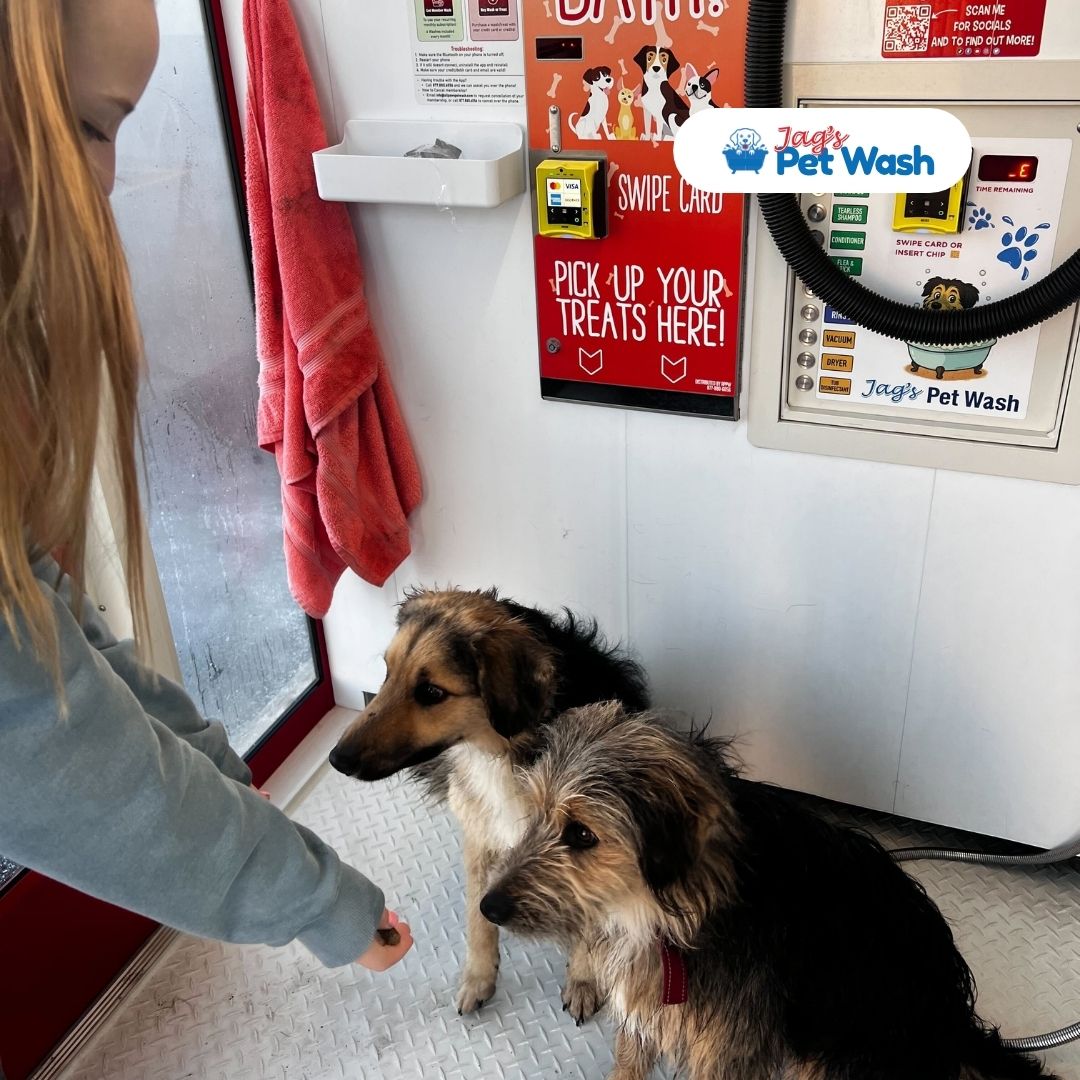
One of the most effective ways to reinforce this is through rewards. Offering treats, praise, or positive reinforcement after each step—or immediately after the bath—is a simple but powerful way to help dogs build better associations with the experience over time.
When dogs start to expect something positive after grooming, it can gradually reduce resistance and anxiety during future baths.
Final Thought
Bath time challenges in reactive dogs are rarely about the bath itself. More often, they come down to environment, predictability, and how the experience is structured.
With the right conditions, many dogs that once struggled with grooming can become noticeably more comfortable over time.